Every year, The New York Times publishes a detailed list of 52 destinations they
recommend. Vestmannaeyjar made the list — not bad company alongside unique places
such as Salar de Uyuni in Bolivia, Maui, the crown jewel of the Hawaiian islands,
Hurghada on Egypt’s Red Sea coast, and of course, Paris.
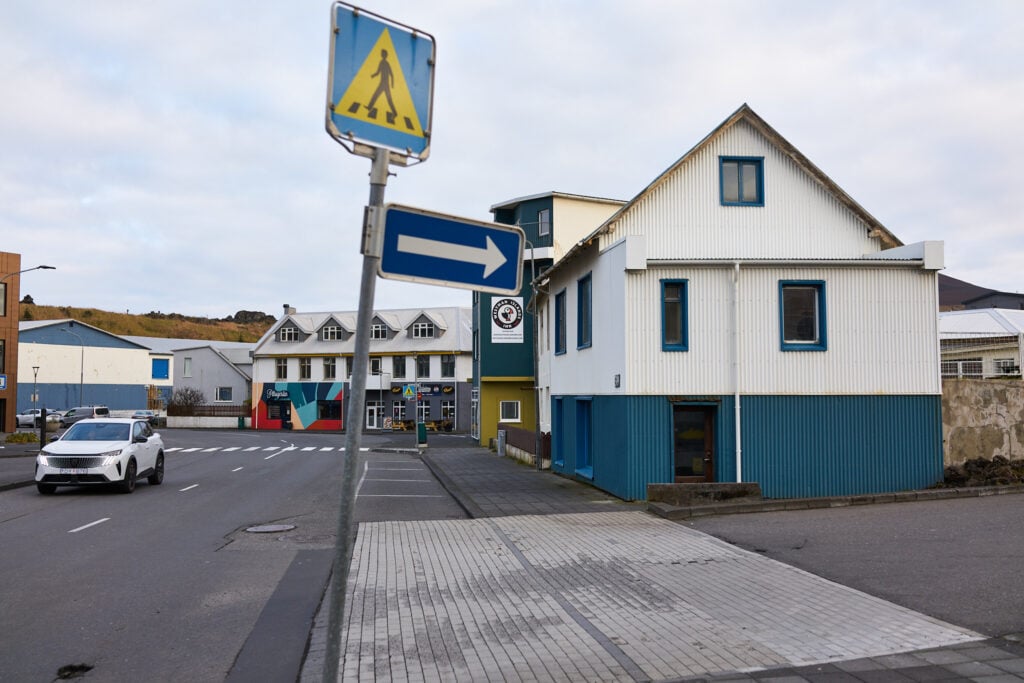
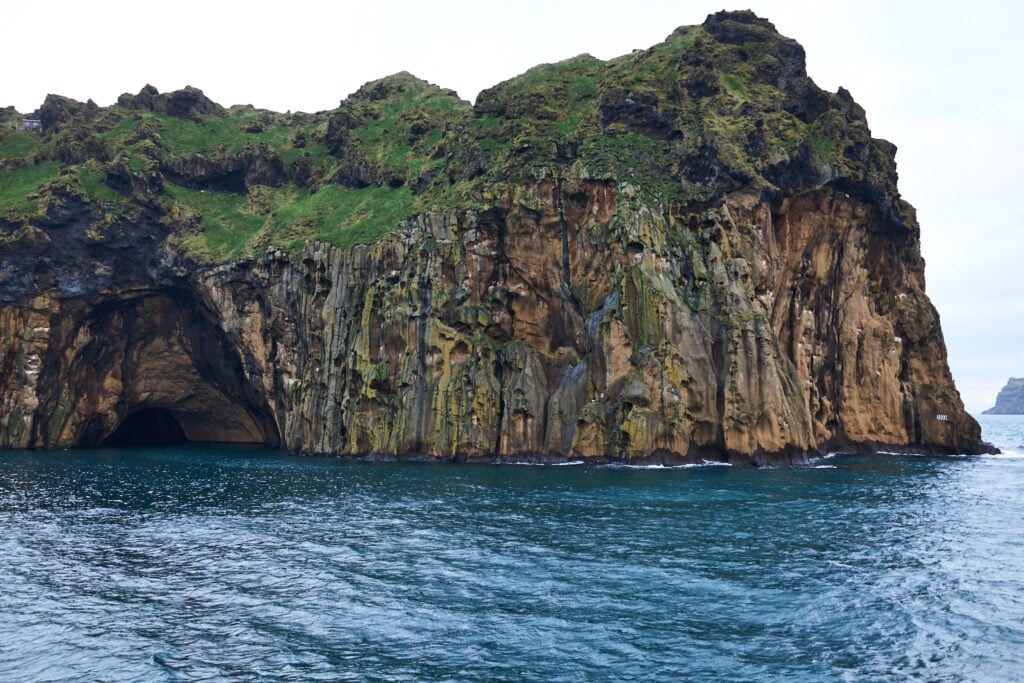
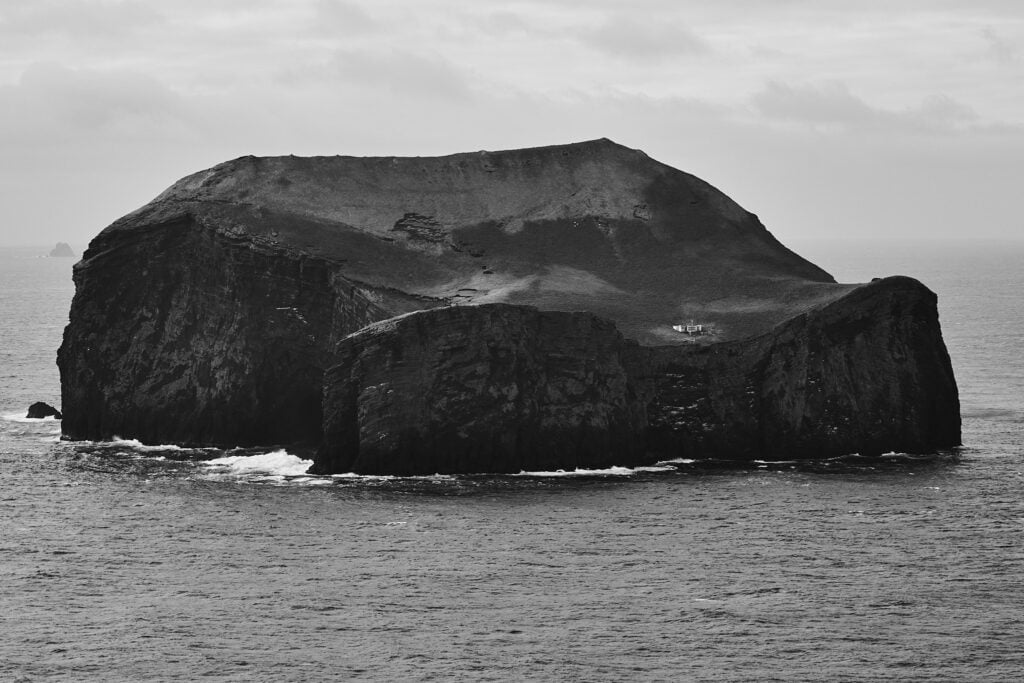
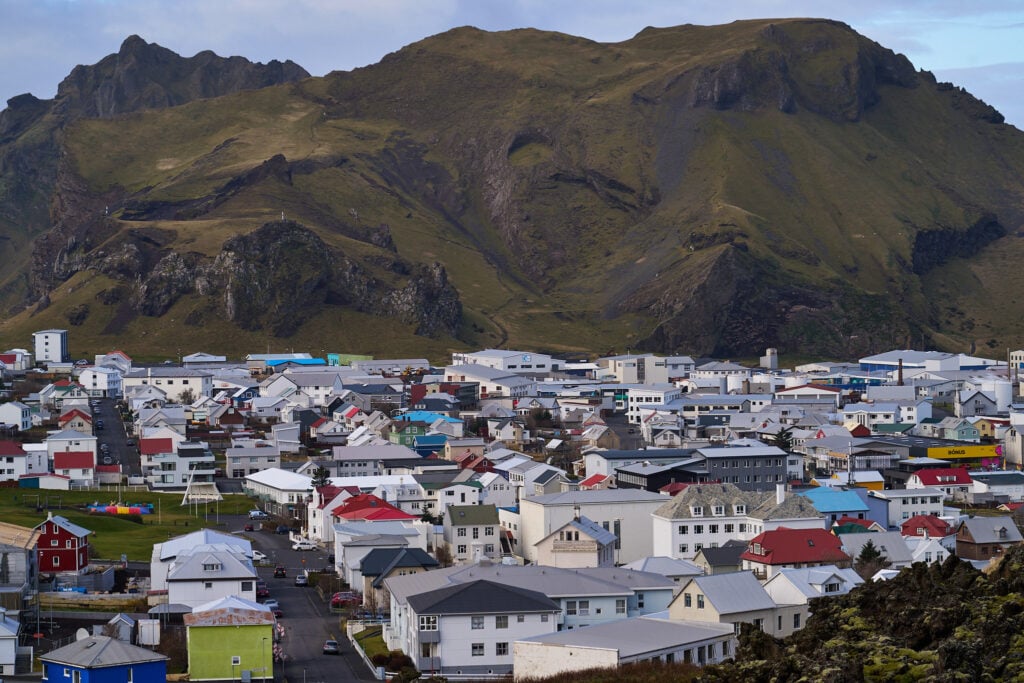
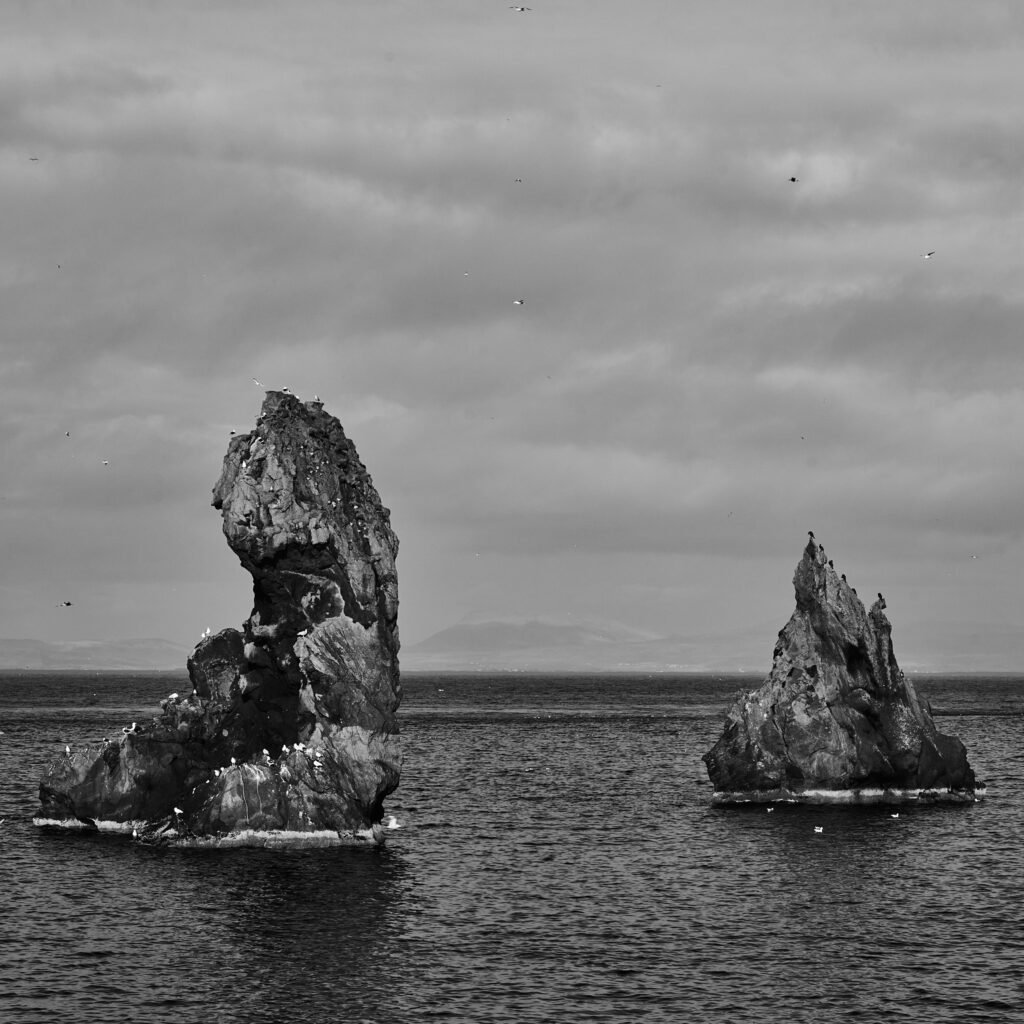
Vestmannaeyjar is an archipelago of 15 islands, of which Heimaey is by far the largest
and the only one inhabited. Around 4,500 people live in the town, making it the 13th
largest settlement in Iceland, and also the country’s most important fishing town. The
harbor is, naturally, the heart, soul, and center of the community.
Settlement on Heimaey dates back to soon after the Age of Settlement, when Herjólfur
Bárðarson claimed the islands just before the year 1000. The population grew thanks to
the rich fishing grounds surrounding the islands, but was reduced by half in 1627, when
300 people were abducted during the so-called “Turkish Raid” and later sold into
slavery in Algiers.
In January 1973, Vestmannaeyjar had 5,300 inhabitants when a volcanic eruption began
just east of town on January 23. All residents were evacuated to the mainland and were
not allowed to return until the eruption ended more than six months later. Today, the
excellent museum Eldheimar tells the story of that eruption, as well as the formation of
Surtsey, the island that emerged just south of Heimaey a decade earlier.
Vestmannaeyjar is geologically very young. The oldest islands are only about 12,000
years old, all formed by volcanic eruptions. The archipelago sits on a volcanic belt
stretching 38 km in length and 30 km in width, with around 75 craters.
Icelandic Times, Land & Saga took a trip to Vestmannaeyjar — a truly top destination in
every way. At least, that’s what The New York Times says.
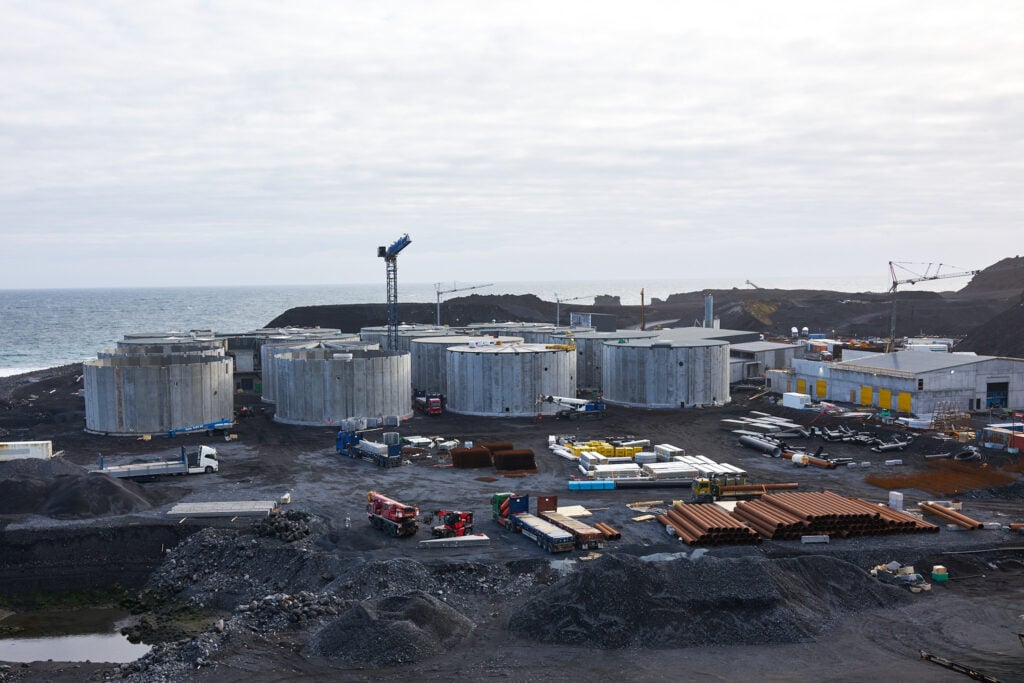
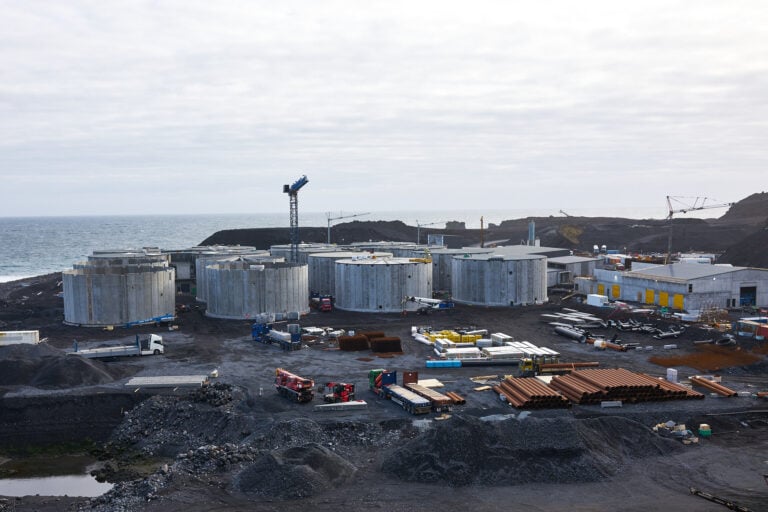
completed, it is expected to produce 32,000 tons of salmon annually.
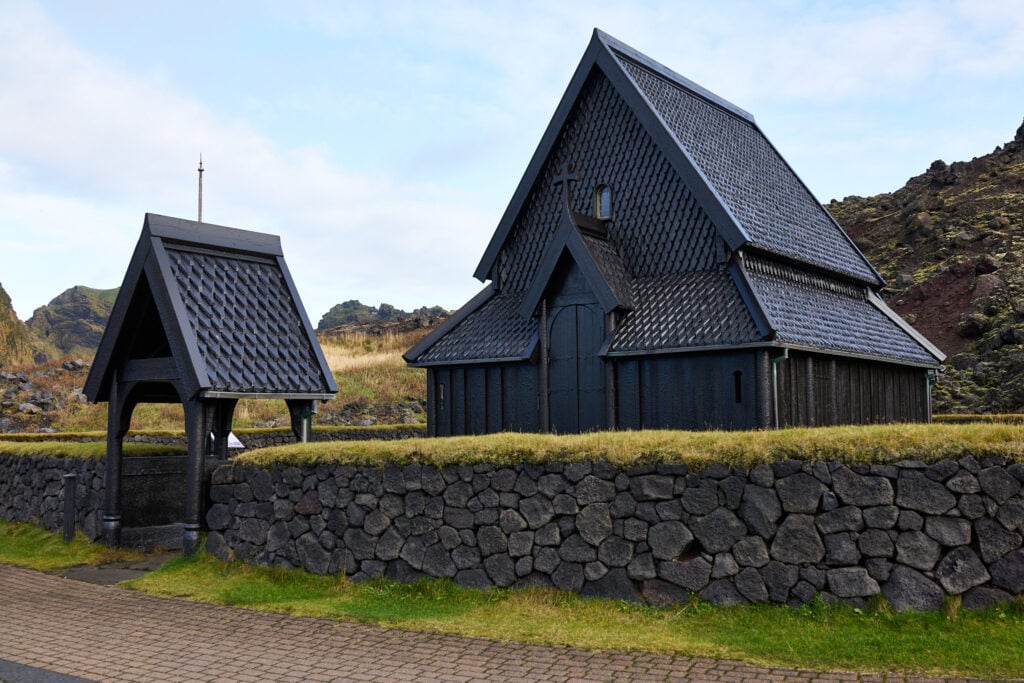
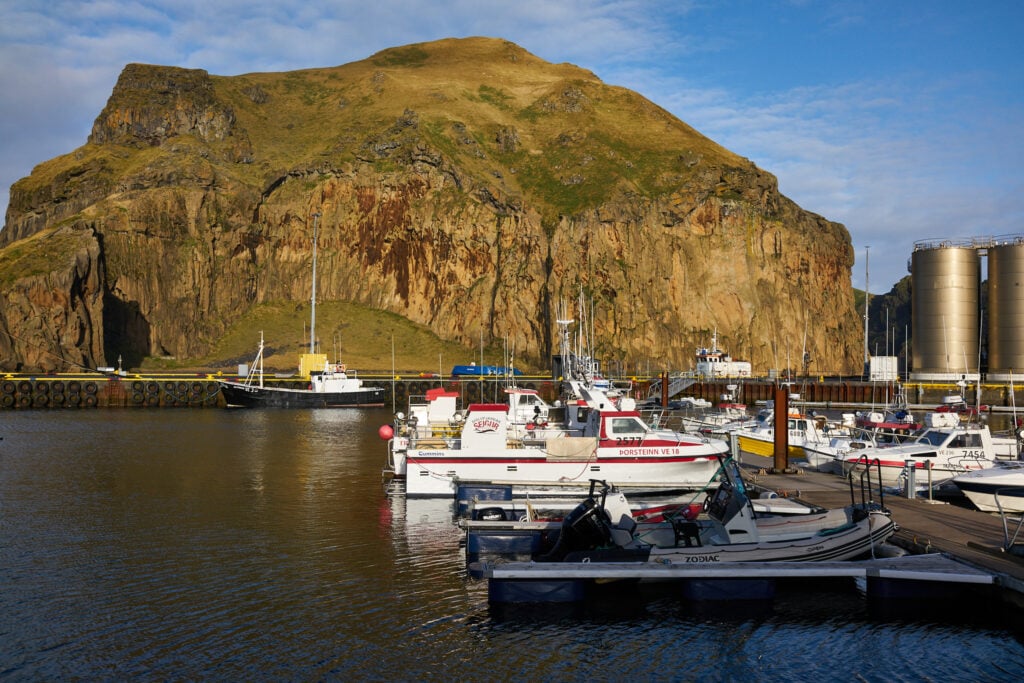
background.
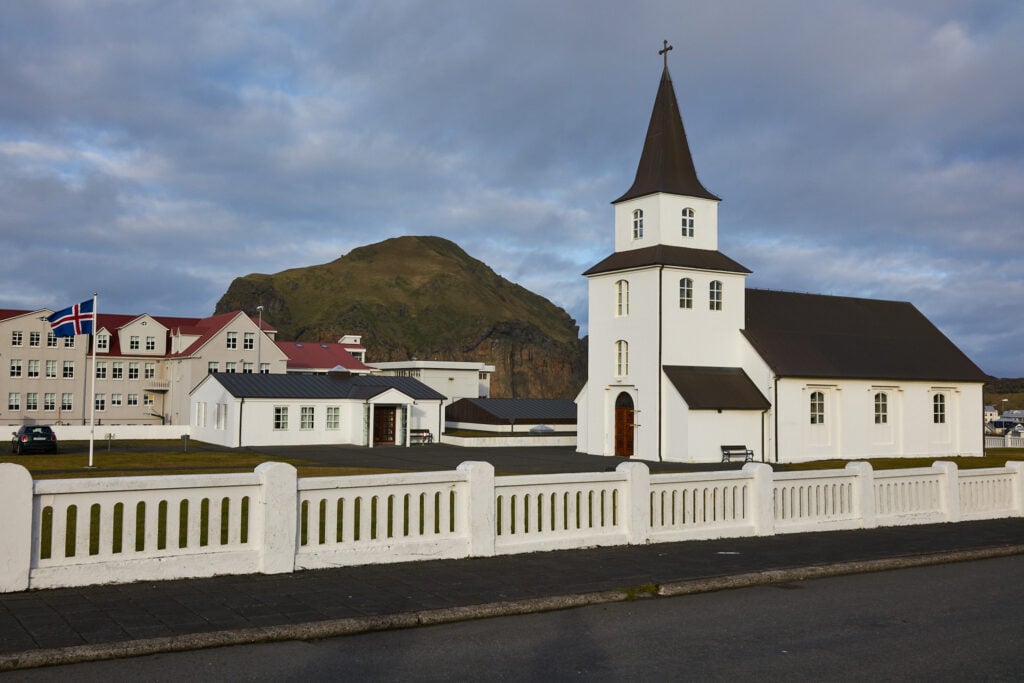
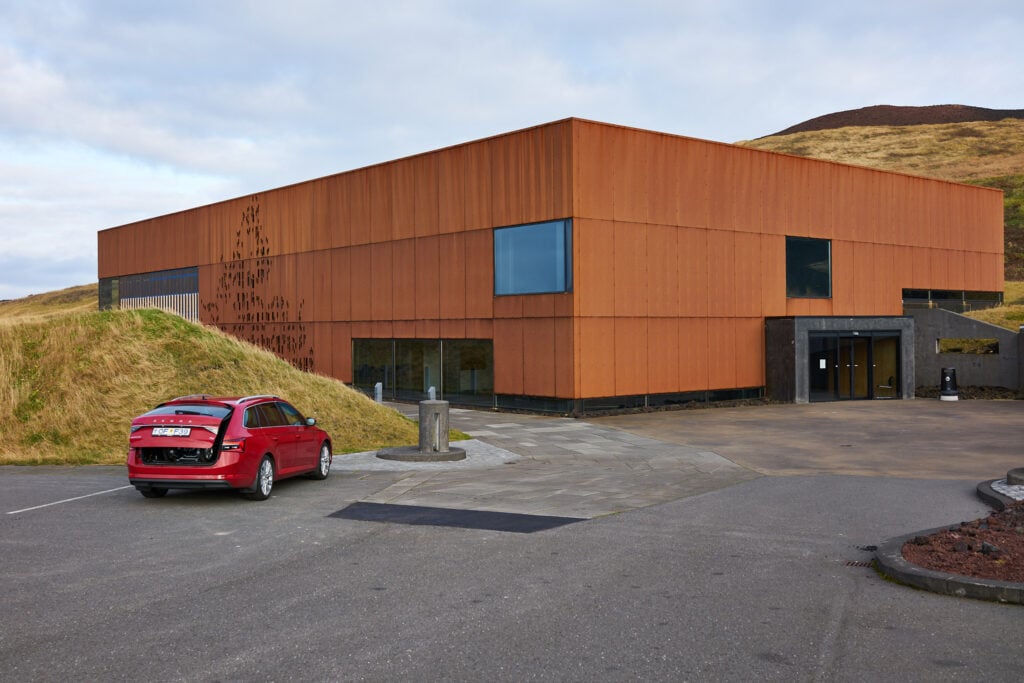
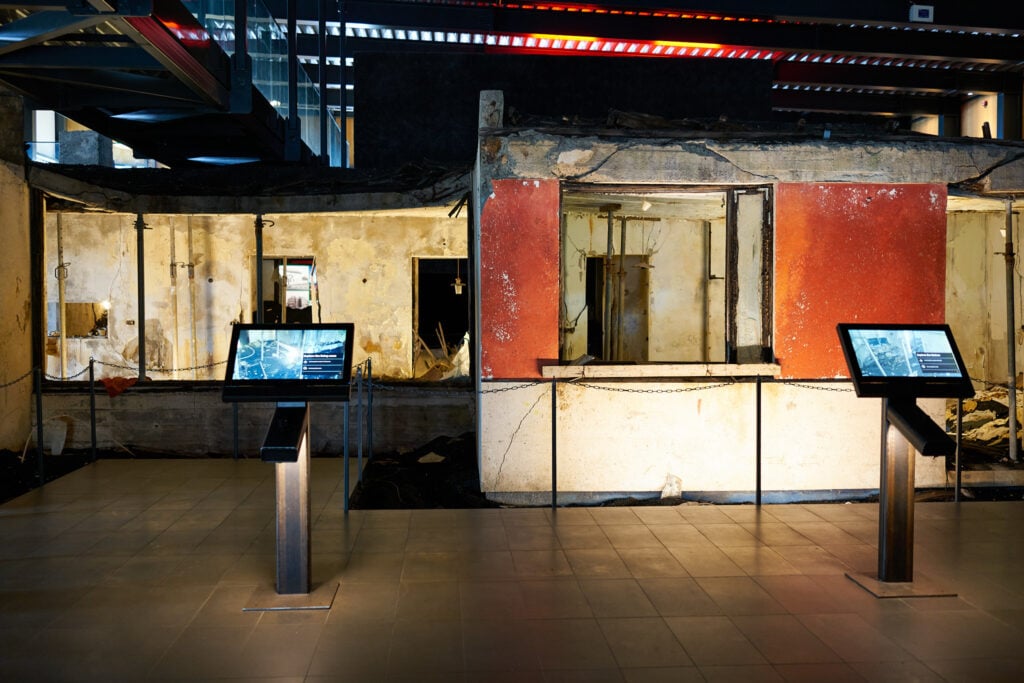
preserved within the Eldheimar museum.