On June 8, 1783, one of the largest volcanic eruptions in human history began at Laki,
north of Kirkjubaejarklaustur and south of Vatnajokull. When the eruption — known as
the Skaftareldar — ended in February 1784, it had created Eldhraun, a lava field
covering 600 square kilometers. In the course of just over eight months, some 42
billion tons of lava had poured out.
The eruption produced a vast volcanic haze, rich in sulfur compounds, that spread
across the entire Northern Hemisphere. In the Móðuhardindi (“Mist Hardships”) that
followed, one in five Icelanders died. The population numbered 48,810 when the
eruption began; three years later it had fallen to 38,873. Sheep stocks declined by 80%,
while horses and cattle were reduced by more than half. Crop failures occurred from
Japan to the United States, and across Europe. The volcanic haze not only lowered
global temperatures but also disrupted the monsoon rains in Africa and Asia, leading to
devastating famines in both India and Egypt. It is estimated that more than ten million
people died worldwide as a result of Skaftareldar.
The eruption also changed history. Many historians believe that the French Revolution
of 1789 — one of the most significant events in Western history — was a direct
consequence of the famine and suffering in France brought on by the Skaftareldar.
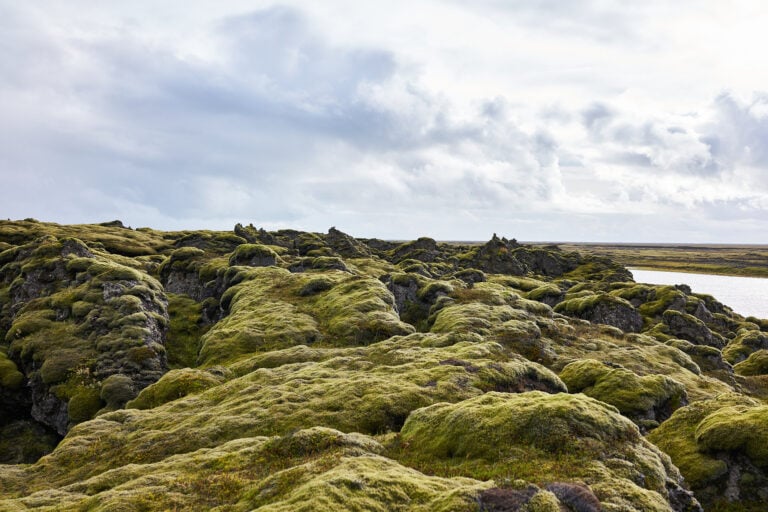
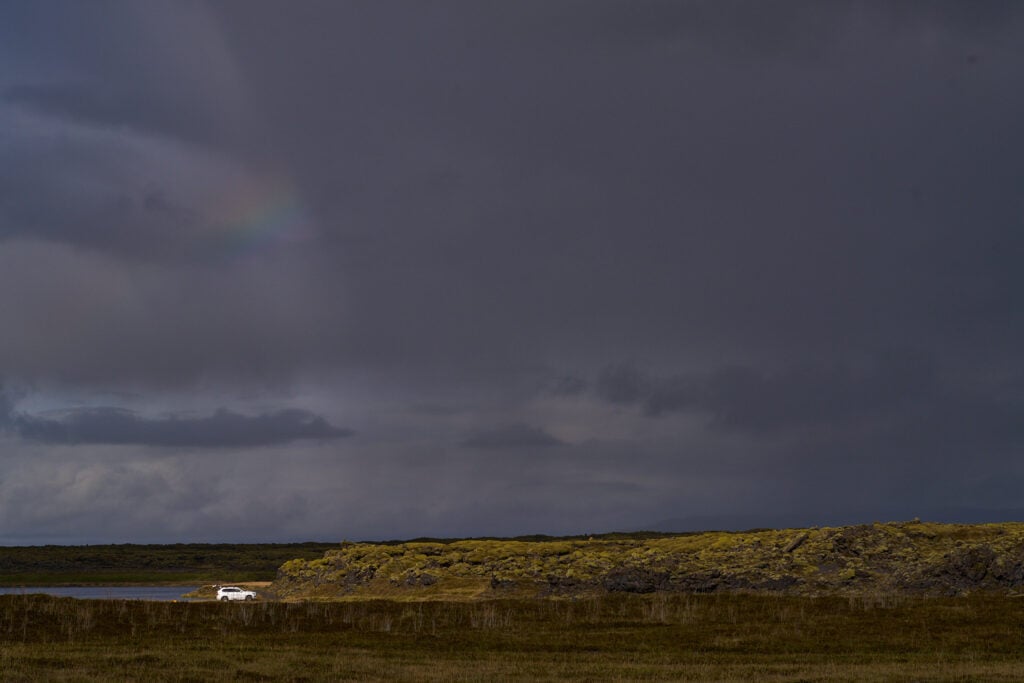
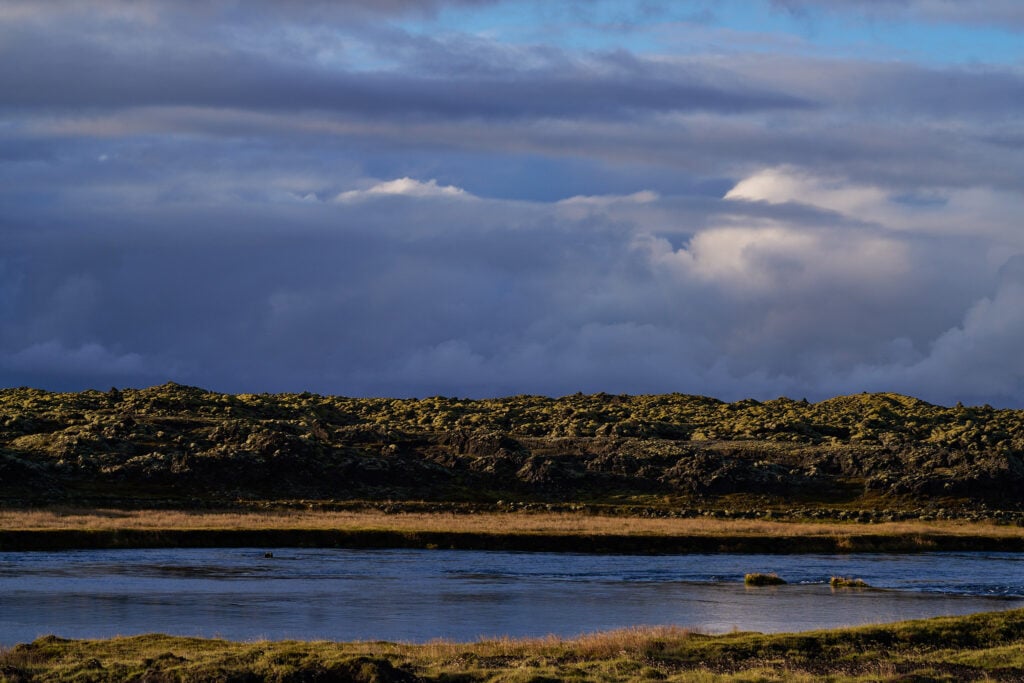
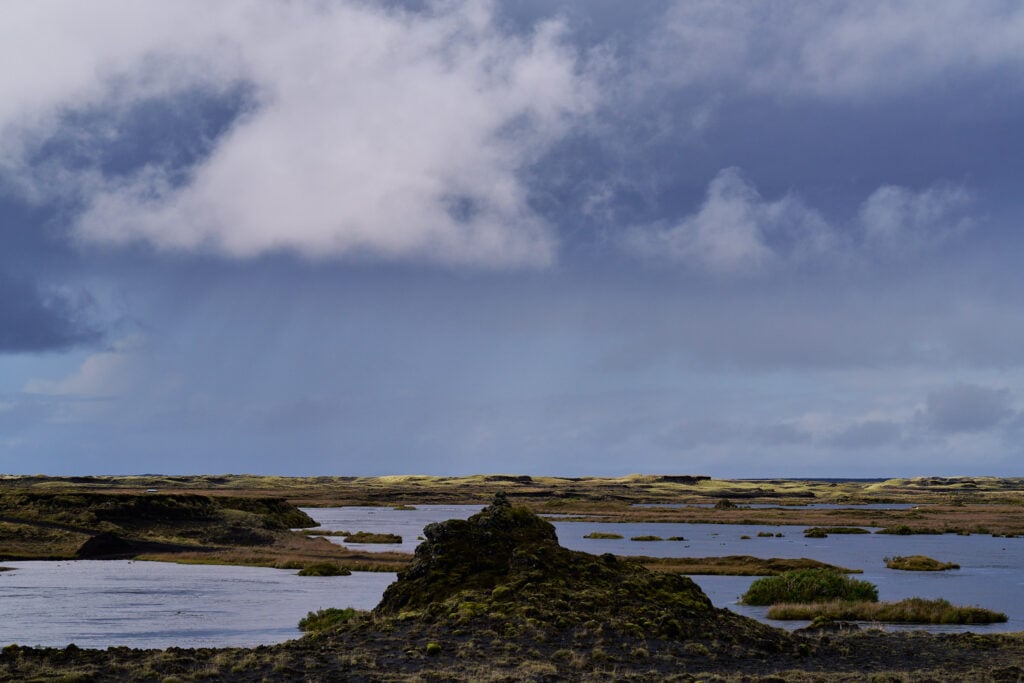
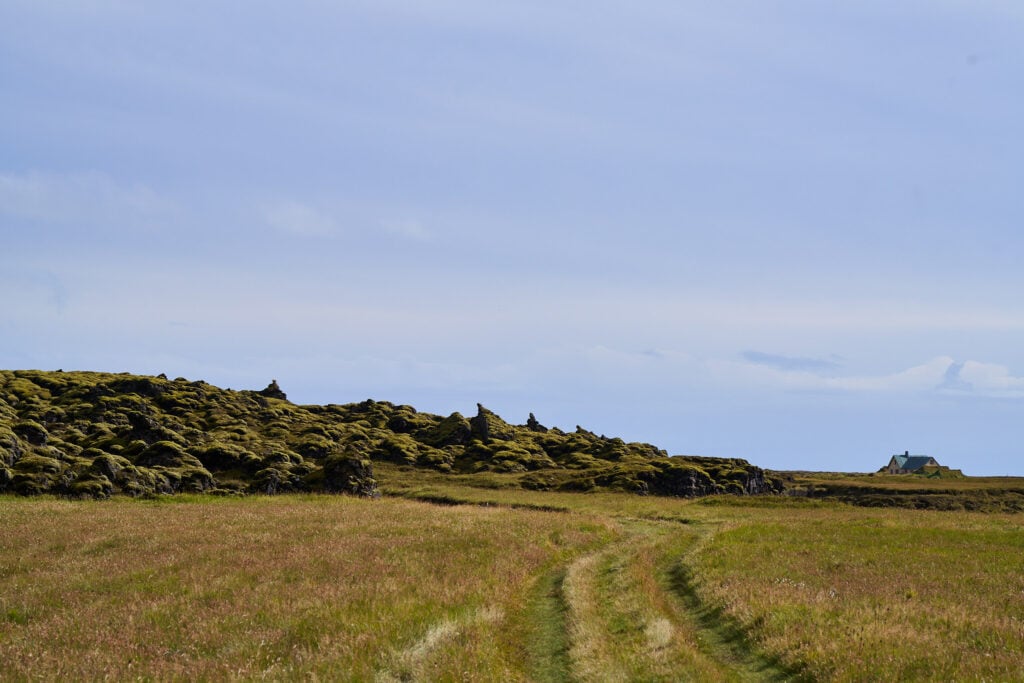
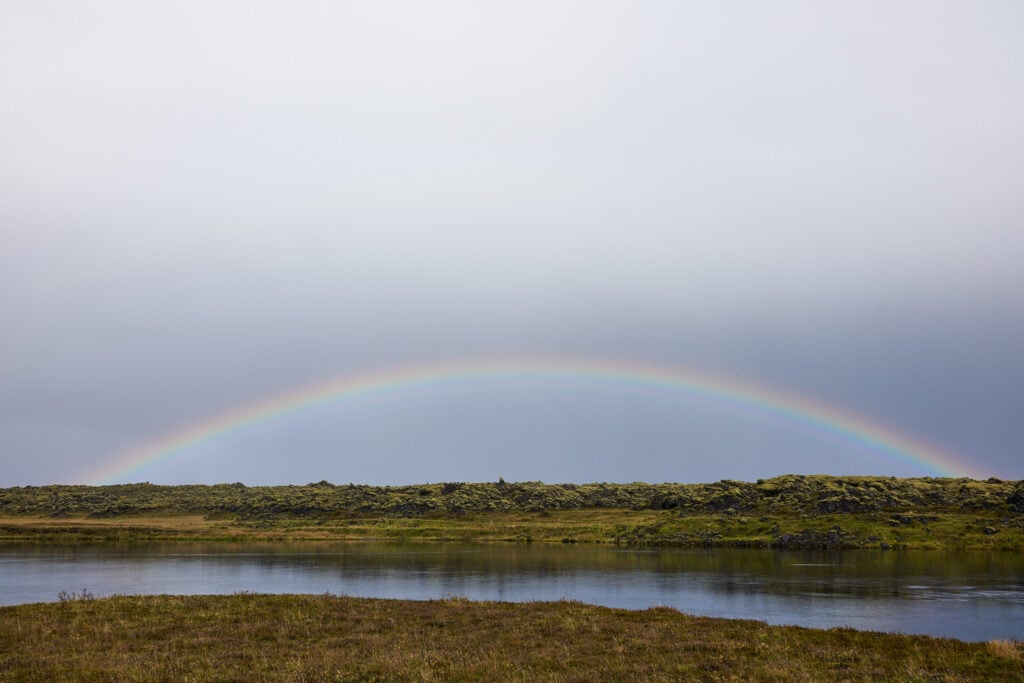
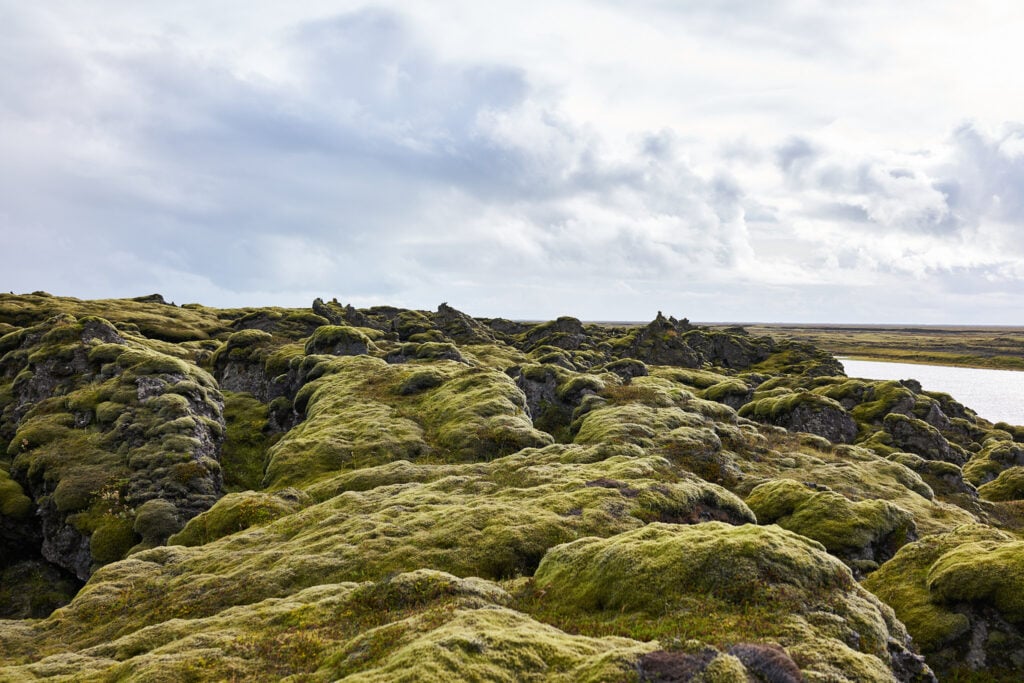
Today, Eldhraun, created by the 25 km long fissure eruption nearly 250 years ago, is
extraordinarily beautiful, covered in thick moss. Icelandic Times / Land & Saga traveled
to Medalland, south of Kirkjubaejarklaustur, where the lava ends after a 75 km journey
from its source at Laki.
Photos & Text : Páll Stefánsson
Vestur-Skaftafellssýsla 10/09/2025 – A7C R, RX1R II : FE 2.8/100mm GM, 2.0/35mm Z