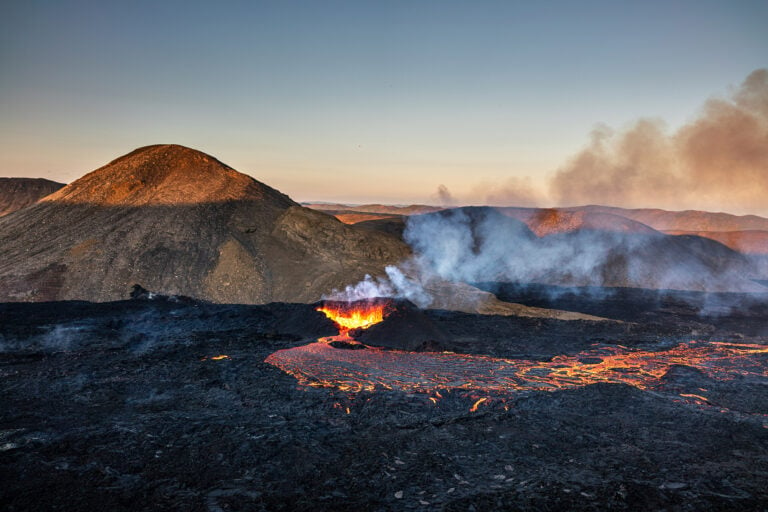
On March 19, 2021, Morgunbladid published an interview with a geologist who had
long worked on mapping the geology of the Reykjanes Peninsula, speaking about
magma accumulation and earthquakes around Fagradalsfjall in the preceding days. “To
be honest, I don’t expect any magma to reach the surface in this area. Volcanic activity
here has been very low for a very long time. An eruption is not particularly likely.”
That very same day, the eruption began. Since then, there have been twelve eruptions
in two volcanic systems — at Fagradalsfjall and just west at Svartsengi — after an 800-
year pause.
Is this the end? Magnús Tumi Gudmundsson, professor of geophysics at the University
of Iceland, said in an interview with Vísir that the activity appears to be winding down:
“It looks as if we are approaching the latter part of these upheavals and that there are
likely not many eruptions left, perhaps one, but we do not know for certain. The
amount of activity we have seen is similar to what was measured in the first phase of
eruptions twelve hundred years ago on the Reykjanes Peninsula. It is therefore likely
that when the eruption at the Sundhnukur crater row ends, there will follow a rather
long period, perhaps 100 years, with little or no activity.”
So is this, in fact, ending — or just beginning? A volcanic episode that may last for
centuries.
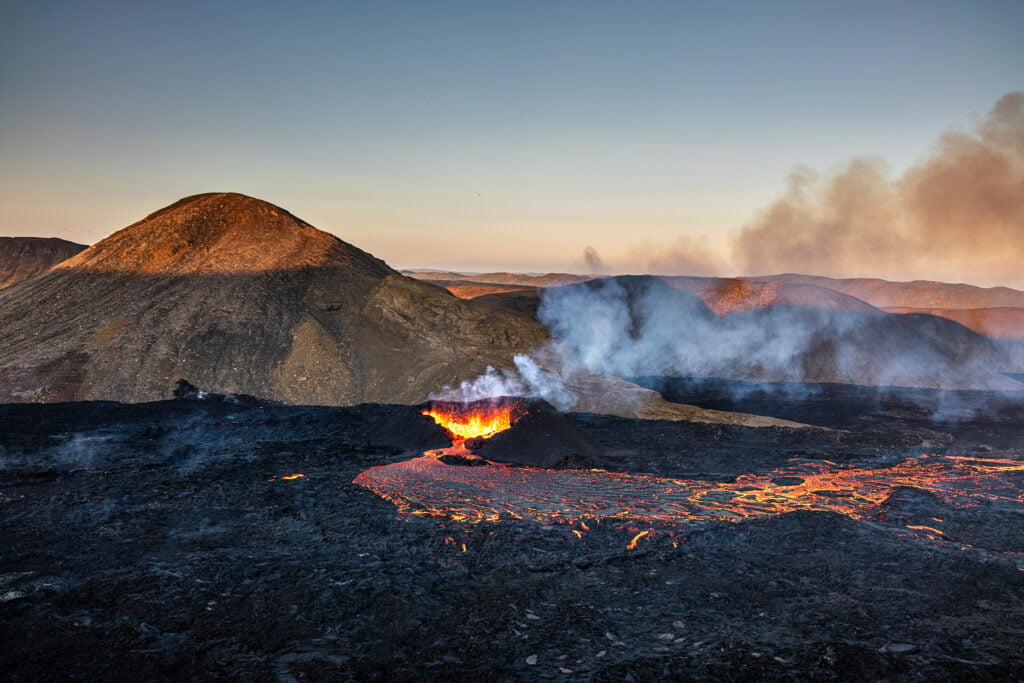
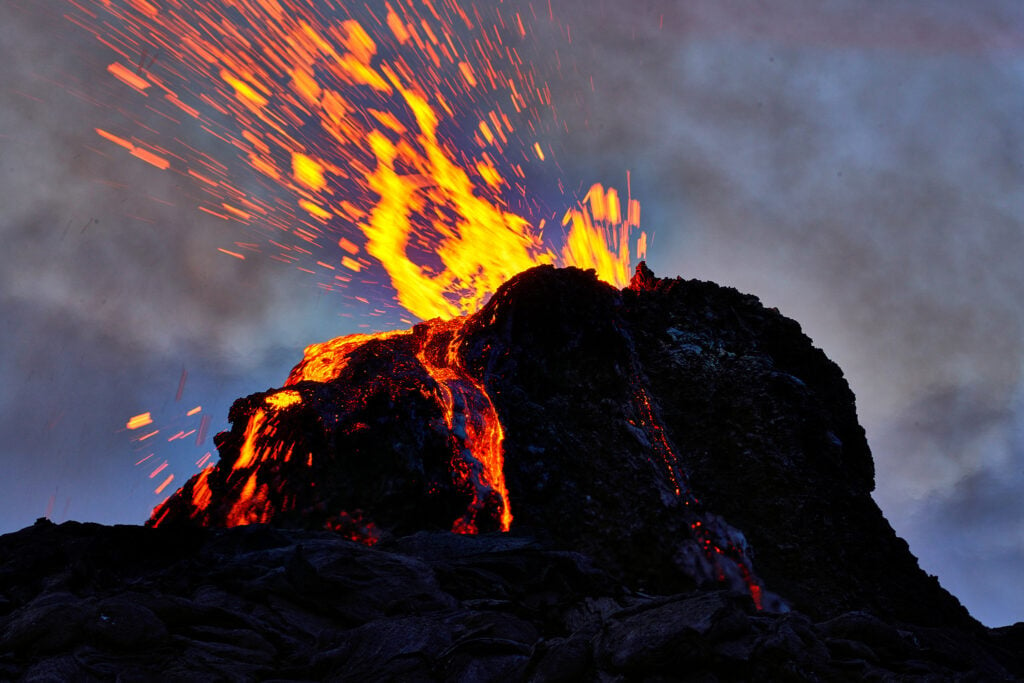
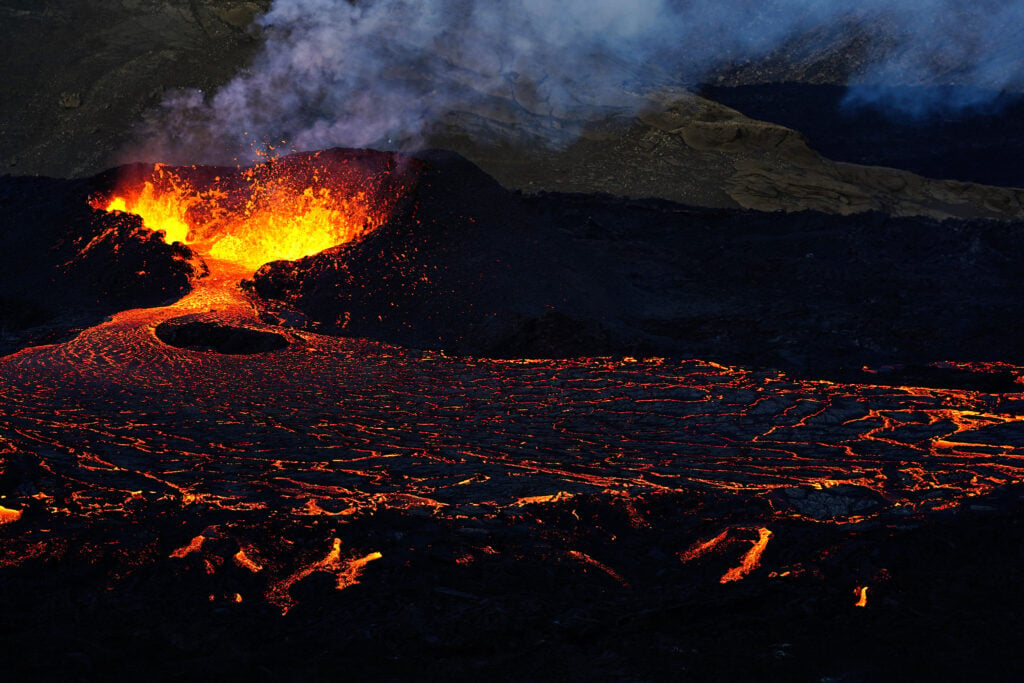
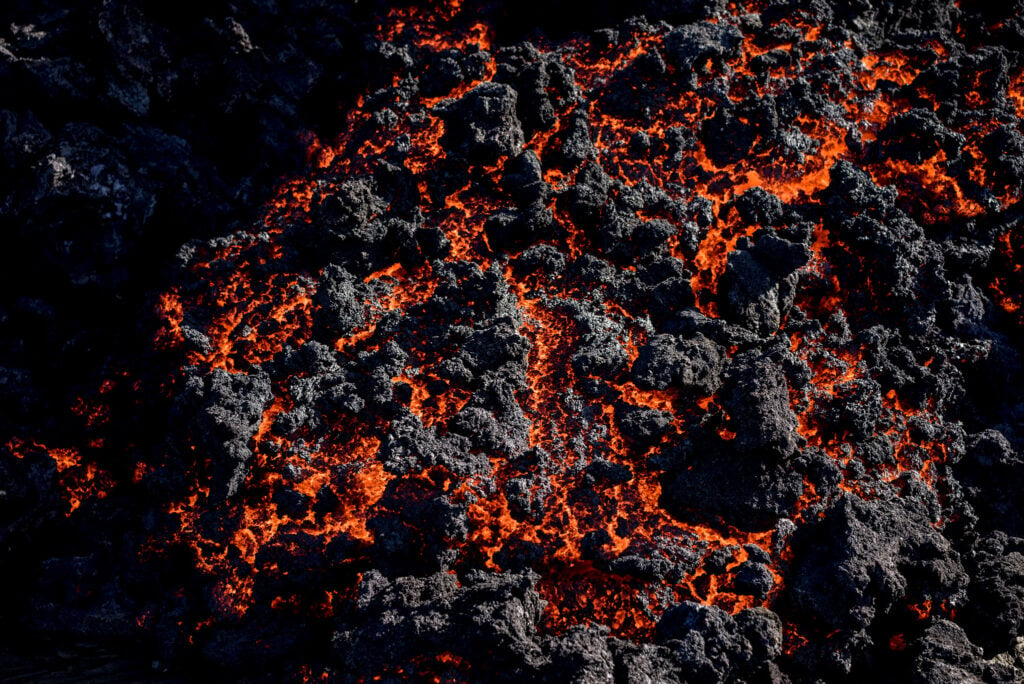
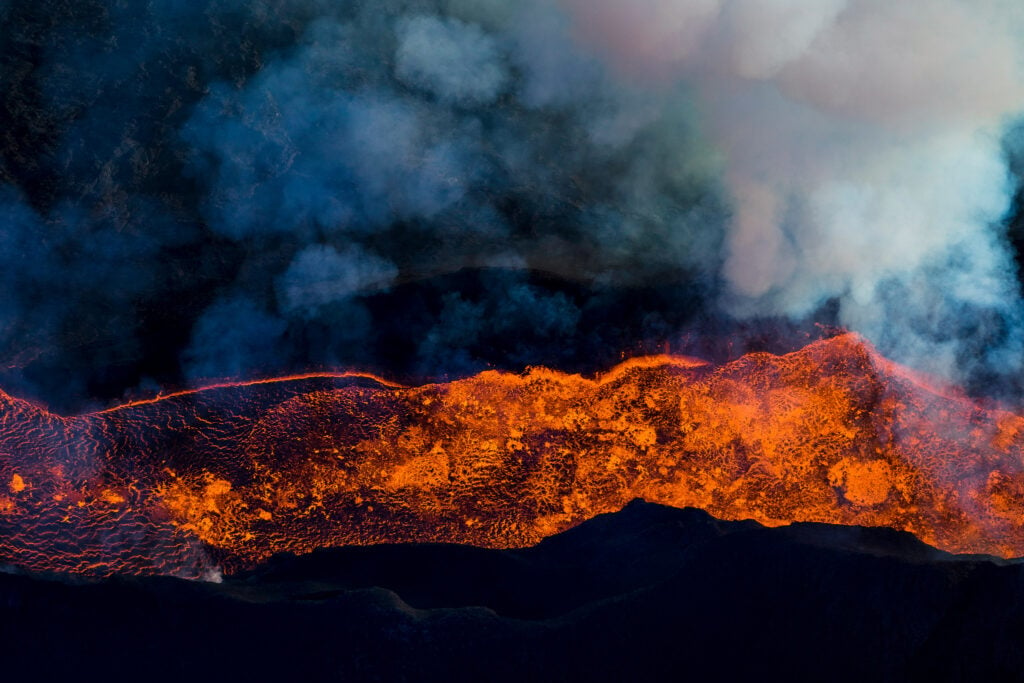
Photos & Text : Páll Stefánsson
Reykjanes 05/10/2025 – A7C R, RX1R II A7R IV : FE 2.8/100mm GM, 2.0/35mm Z, FE 1.2/50mm GM
–
–