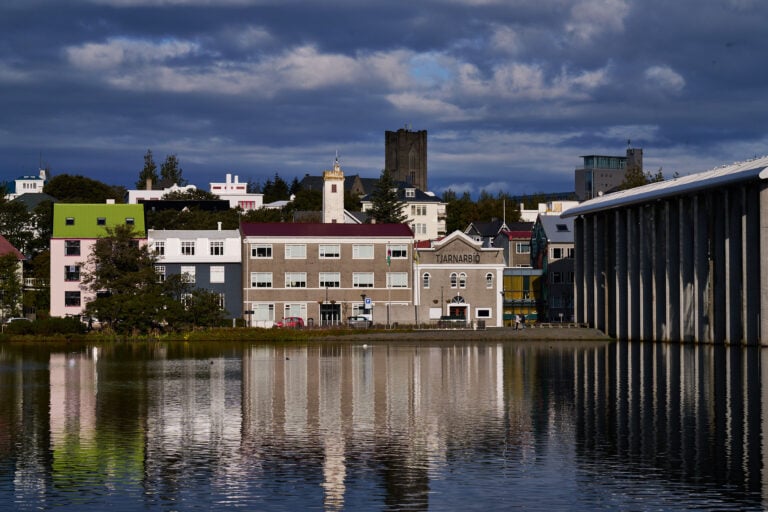
Reykjavik has a long history — longer than any other settlement in Iceland — as it has
been continuously inhabited longer than anywhere else in the country. In Kvosin, now
Adalstraeti, the first settlers, Hallgerdur Frodadottir and Ingolfur Arnarsson, built their
farm in the year 874.
It was not until the 18th century, however, that the beginnings of a village started to
take shape. After the catastrophic Móðuhardindi (the volcanic “Mist Hardships”) of
1783, the episcopal sees at Holar and Skalholt were moved to Reykjavik, and the
Cathedral was built. At the end of the 19th century, when Althingi was re-established, it
was decided to move the parliament from Thingvellir to Reykjavik — then nearly the
only settlement in the country with more than 200 inhabitants.
In 1800, Reykjavik had 455 residents. Fifty years later, in 1850, the population was
1,149. By 1900, the capital had 5,802 inhabitants — nearly one in ten Icelanders. Fifty
years after that, in 1950, the number had risen to 55,980, with about 40% of the nation
living in the capital.
Today (2025), Reykjavik is home to 148,221 people, compared with 111,345 a quarter-
century ago in the year 2000. Nearly three out of every four Icelanders now live in
Reykjavik and the surrounding municipalities.
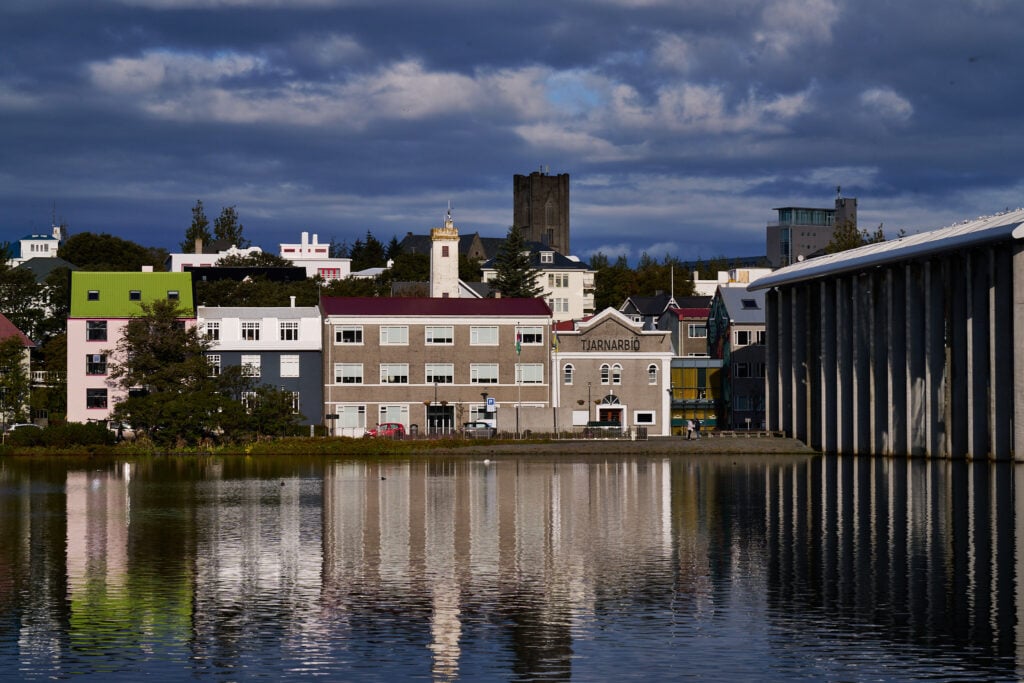
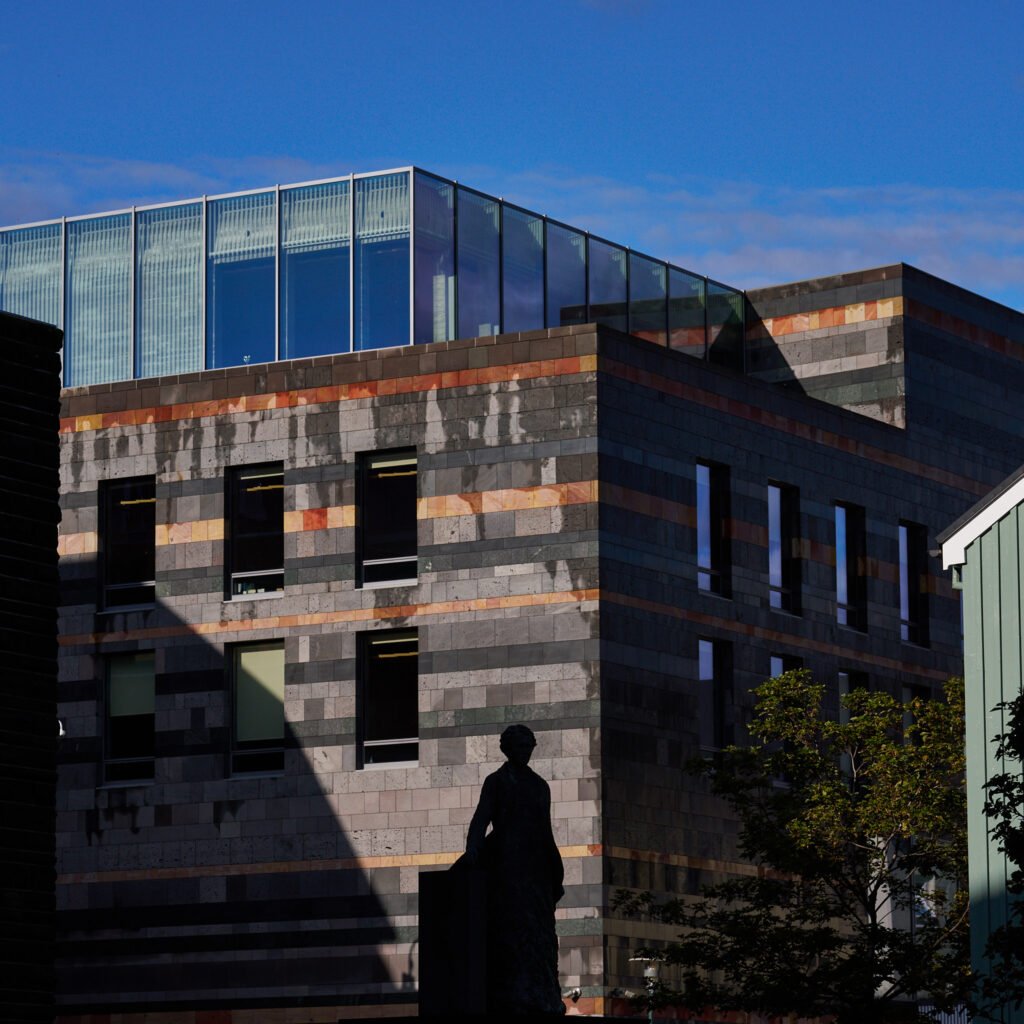
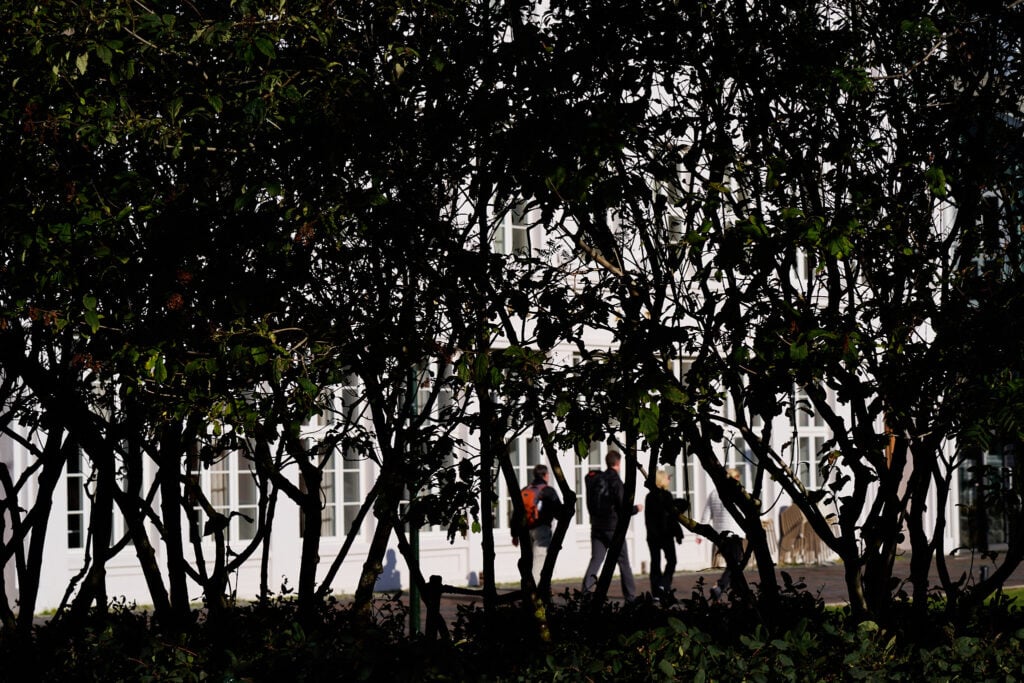
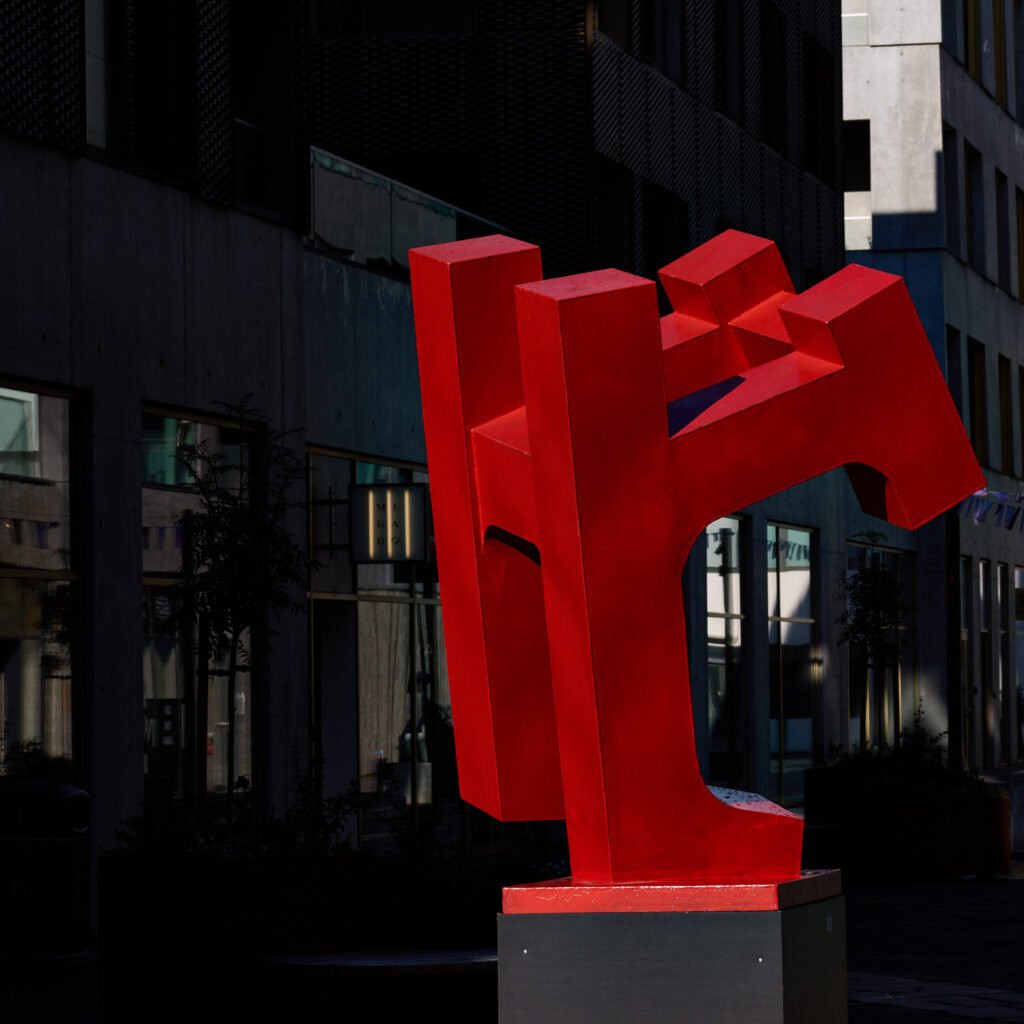
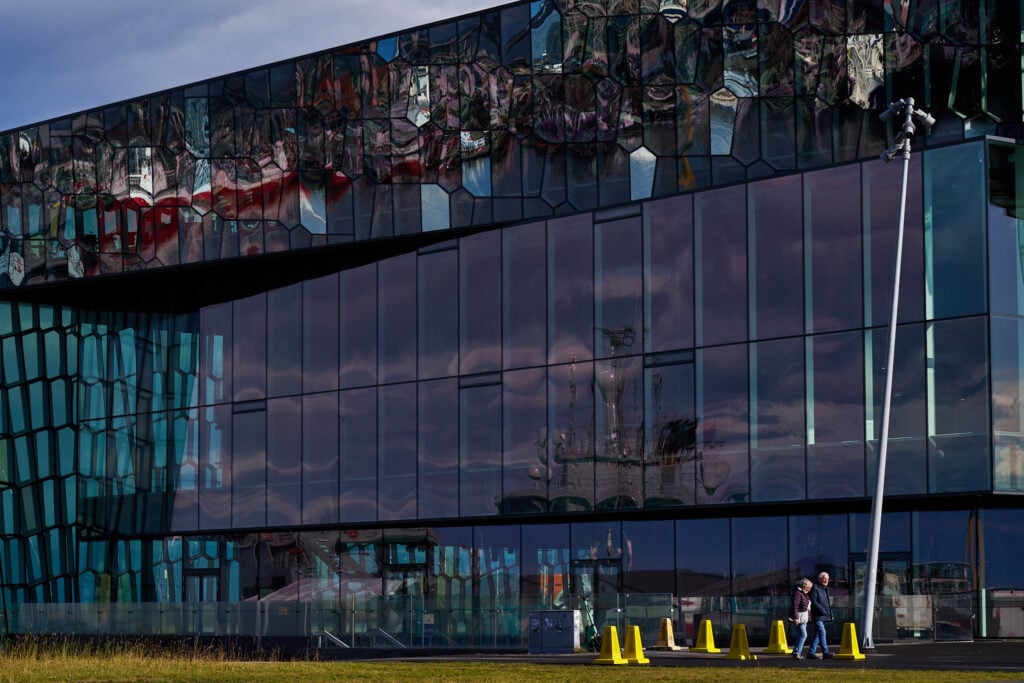
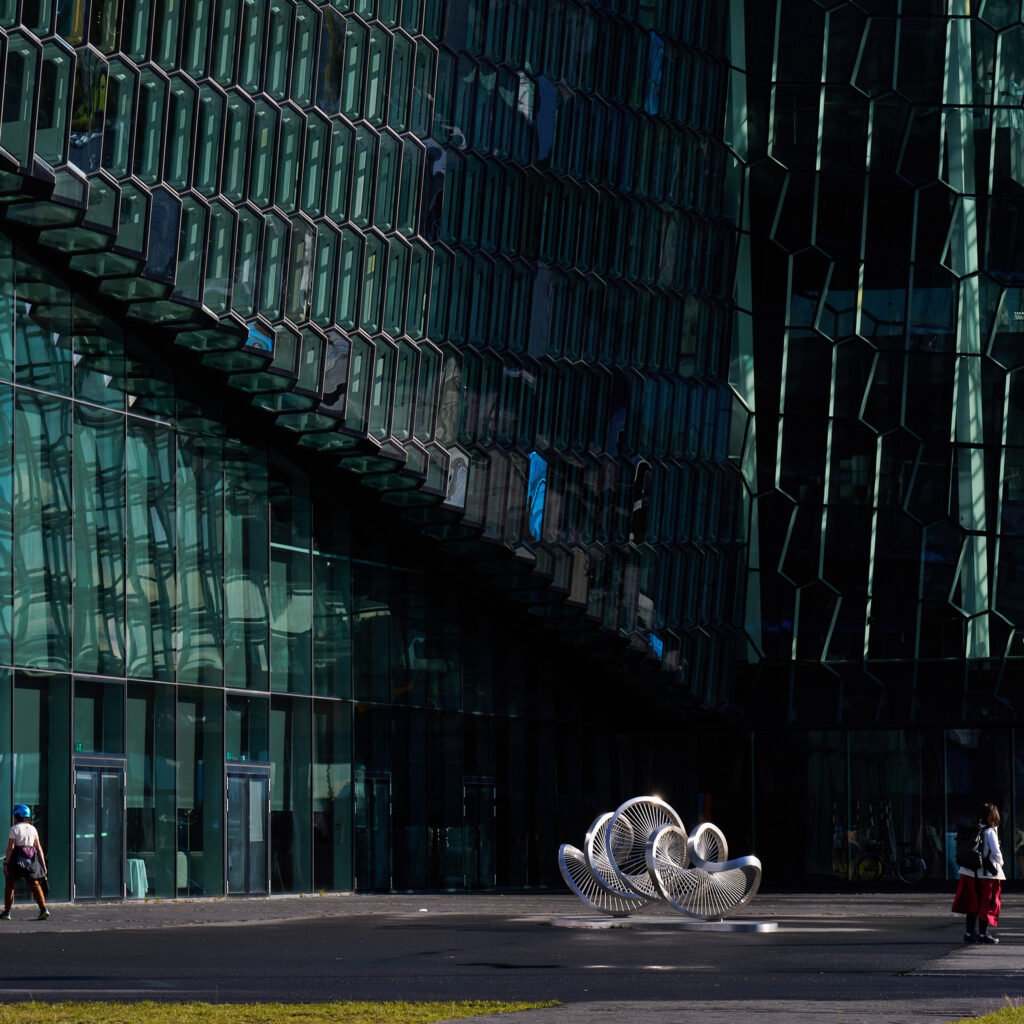
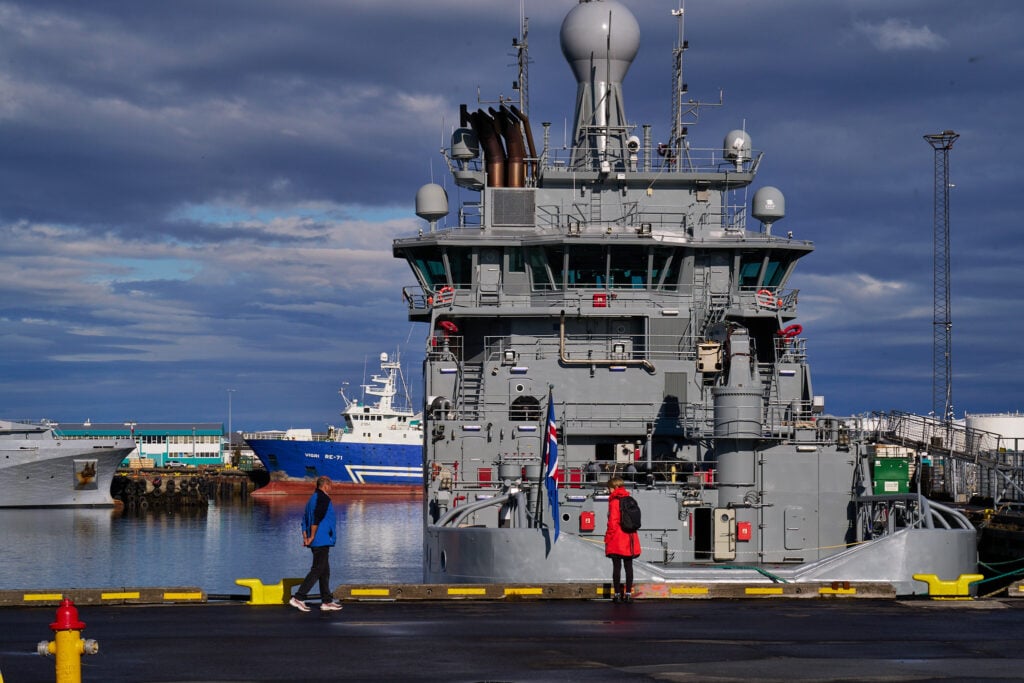
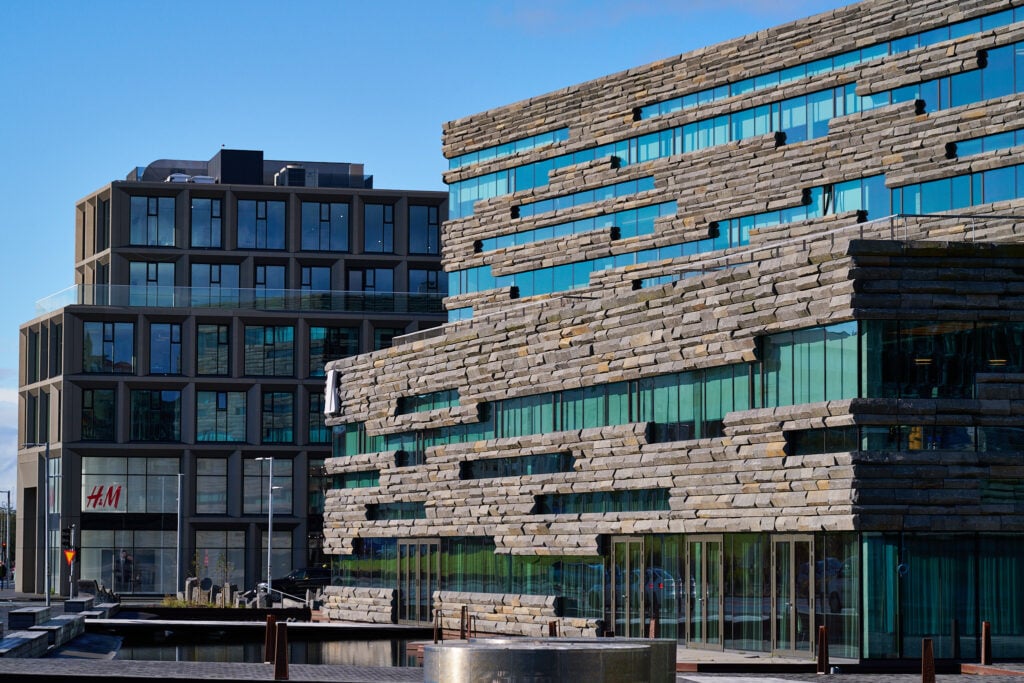
Reykjavik has changed enormously in recent years and decades — for the better. The
downtown, bathed in the beautiful autumn light that greeted us at the beginning of
September, is truly unique.
distance
Photos & Text : Páll Stefánsson
Reykjavík 09/09/2025 – A7C R : FE 2.8/100mm GM